

Bethesda, MD
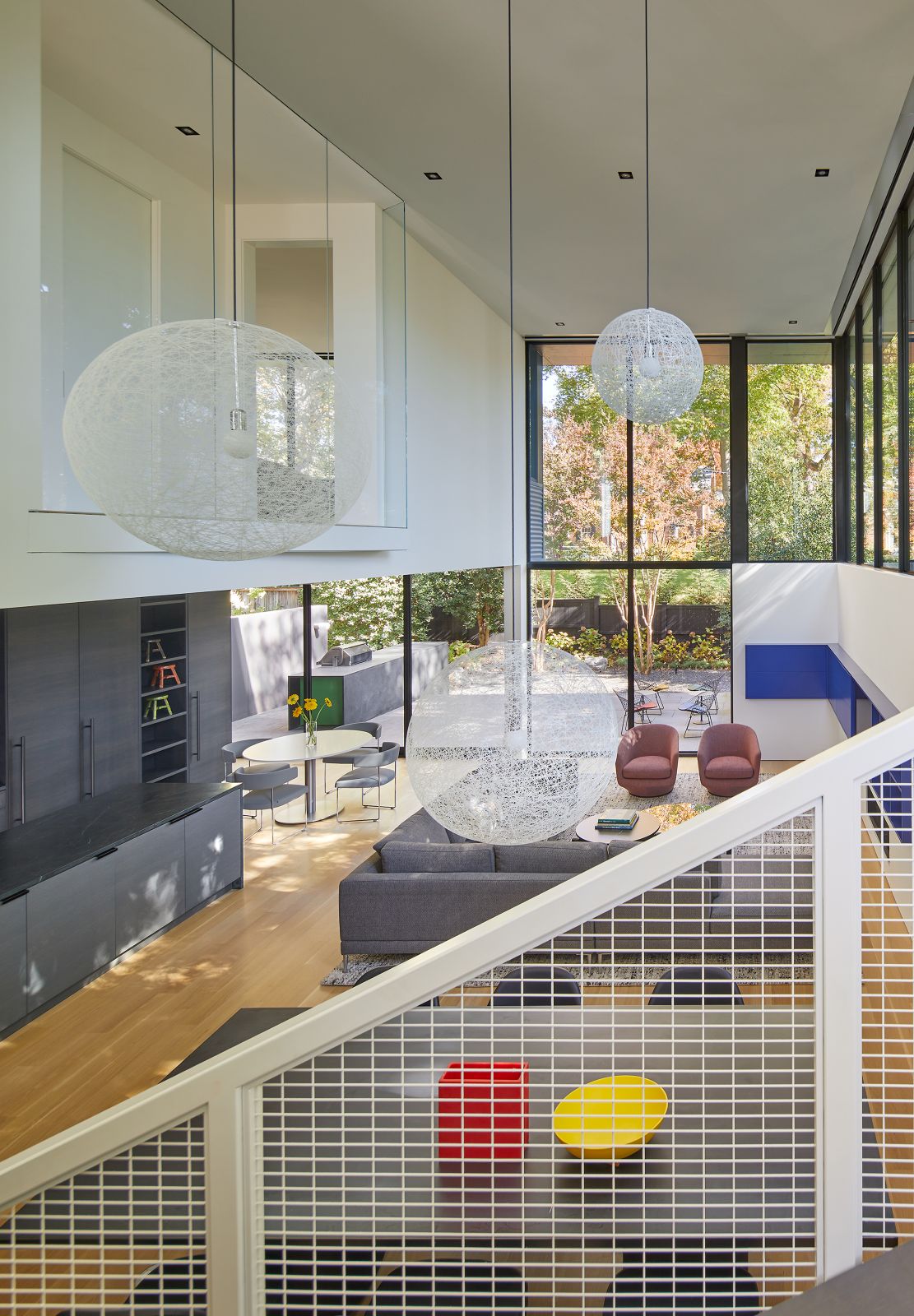
Photo Credit © Anice Hoachlander
2026 Winner

Award of Merit
Robert M. Gurney, FAIA, Architect
Visit Robert M. Gurney, FAIA, Architect Website
Design Team:
Robert M. Gurney FAIA |
Nicole de Jong, AIA
General Contractor:
DAKS Builders
Additional Consultants:
Structural Engineer: United Structural Engineers |
Landscape Architect: Campion Hruby Landscape Architects |
Interior Designer: Baron Gurney Interiors
Project Description
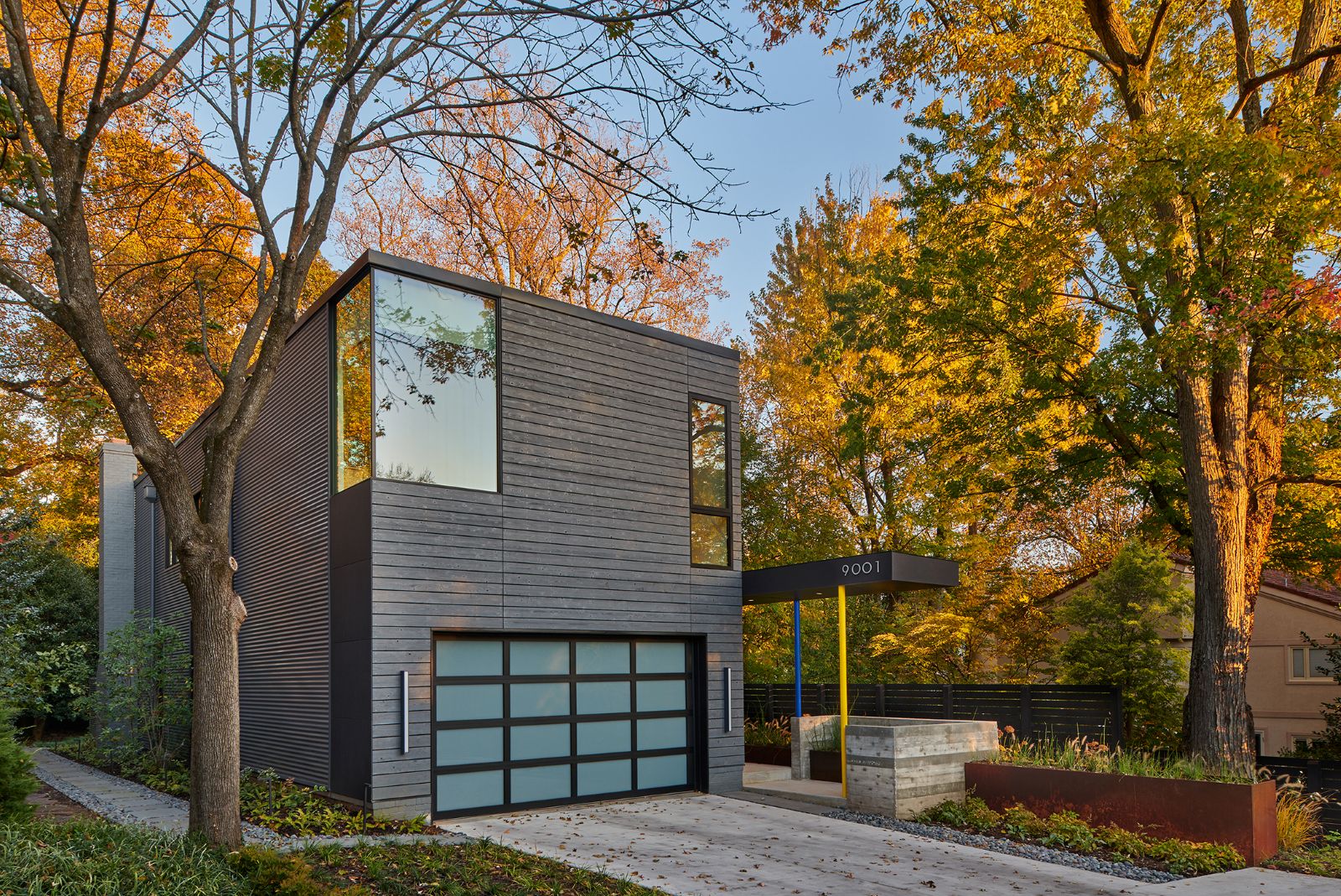
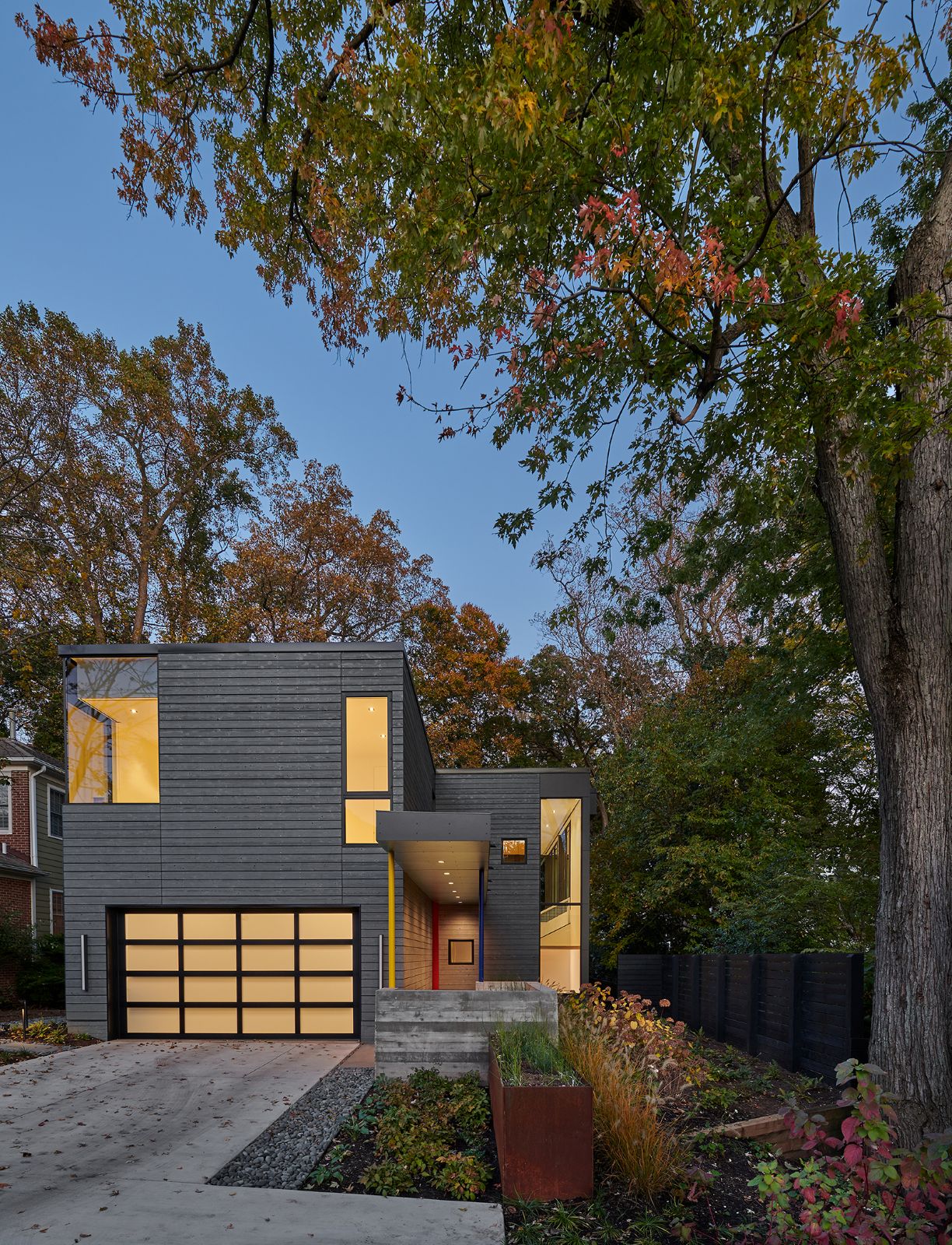
This project is a renovation of a developer tract house constructed in 1992. Constructed as one of a pair of mirror imaged houses, the entry on the subject property was not visible as one approached the property. The garage was prevalent and the garage door prominent while the entry was hidden. Interior spaces were compartmentalized. The finishes were typical of the suburban 1990’s “spec house” genre, with “colonial” trim, moldings, and detailing.
After living in the house since it was built, the owners were ready for a new chapter in their lives and embarked on a complete renovation of the house. Their “wish list” included modern, open living spaces that were light filled with connectivity to outdoor spaces and the rear garden.
Remnants of the existing house, including the basement, garage and fireplace with chimney were retained. This approach streamlined the permitting process, reduced material waste, shortened the construction timeframe and lowered costs. Additionally, the existing utility infrastructure could be retained and incorporated into the new construction.
Since deciding that the garage and building footprint would remain for the reasons outlined above, defining the previously hidden entry was important. A projecting overhang, board formed concrete walls with a bench and a new Corten steel planter are designed as a gateway to announce the covered walkway leading to the new, red pivoting entry door. Bright, painted steel columns animate the composition.
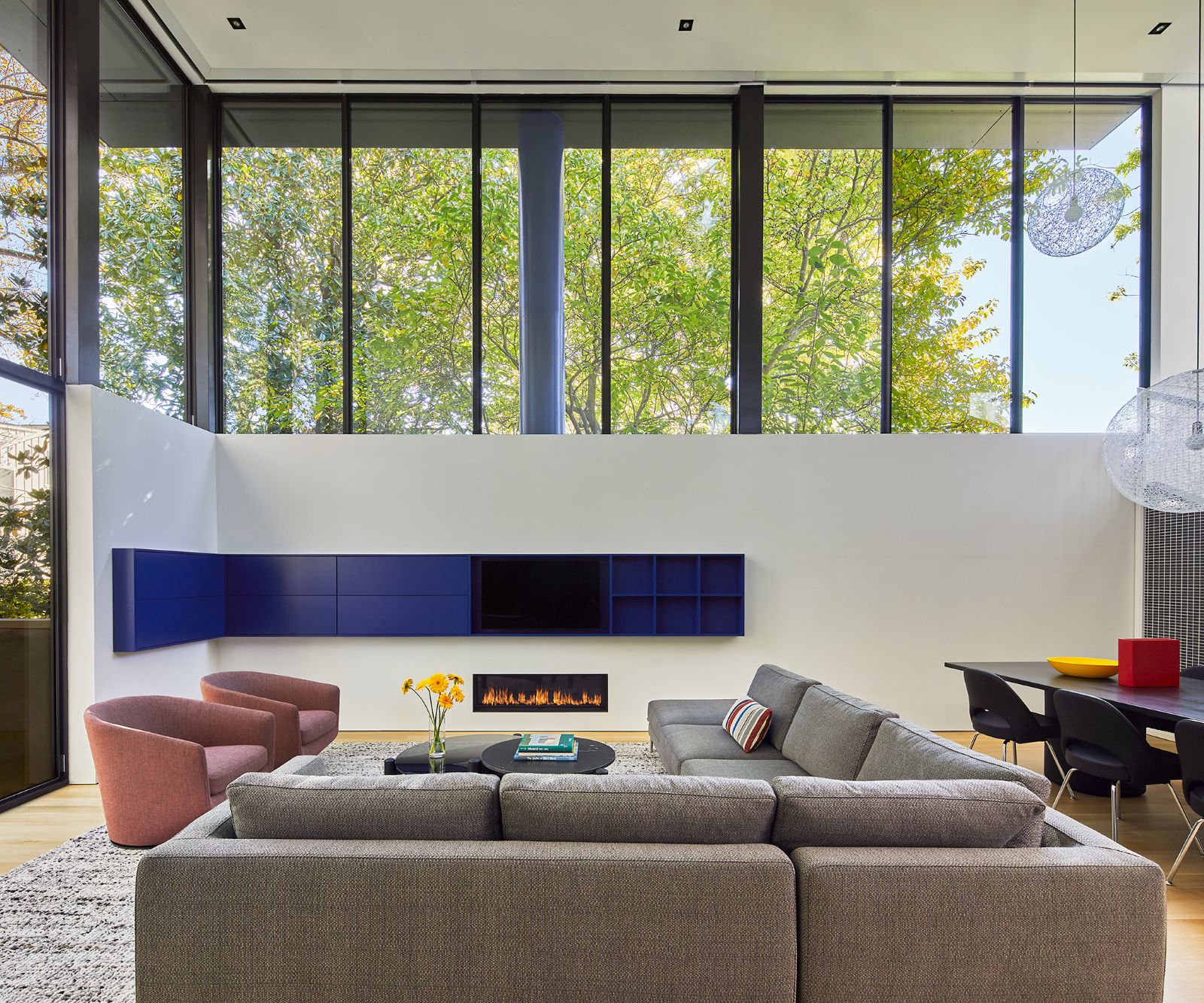
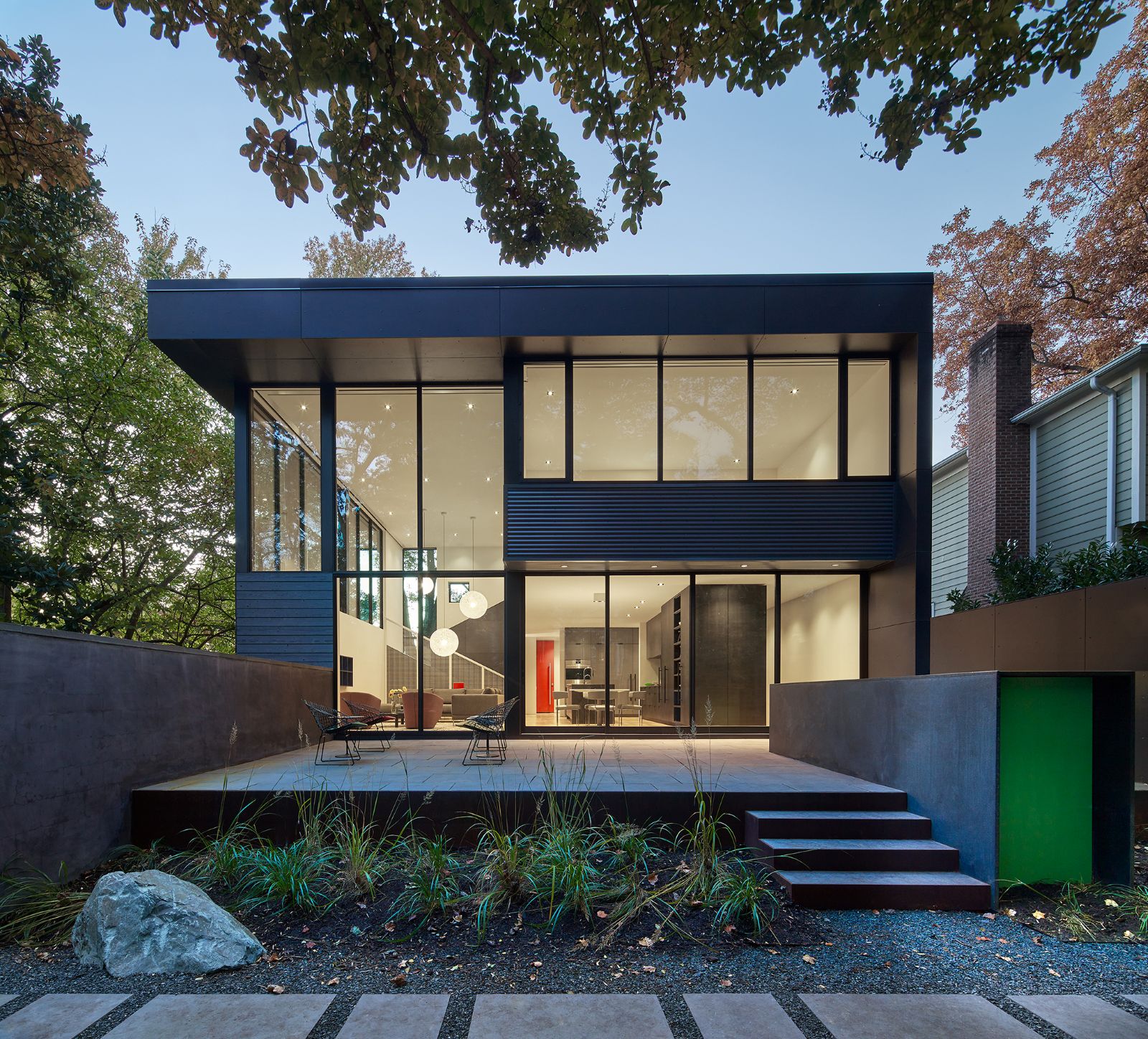
Inside, the house is organized around a double height space. Simple pure forms respond to the pre-existing footprint. Tall windows on the south side welcome light and views to the trees while masking the neighboring houses. A window wall with large sliding door panels opens to a new terrace and rear garden. The interior spaces are light filled, ordered, open, restrained and clutter-free. Clear and gray stained white oak flooring and millwork combine with natural stone to provide a consistent material palette used throughout. Small accents of primary colors weave through the project.
A ventilated rainscreen system, insulation far exceeding building code requirements and highly efficient equipment and appliances are employed. Durable and sustainable materials are utilized throughout.
Stormwater is diverted to a rain garden and ample green space is maintained. This renovation strives to breathe new life into an aging suburban home, while aligning with modern, sustainability principles and environmental responsibilities.