



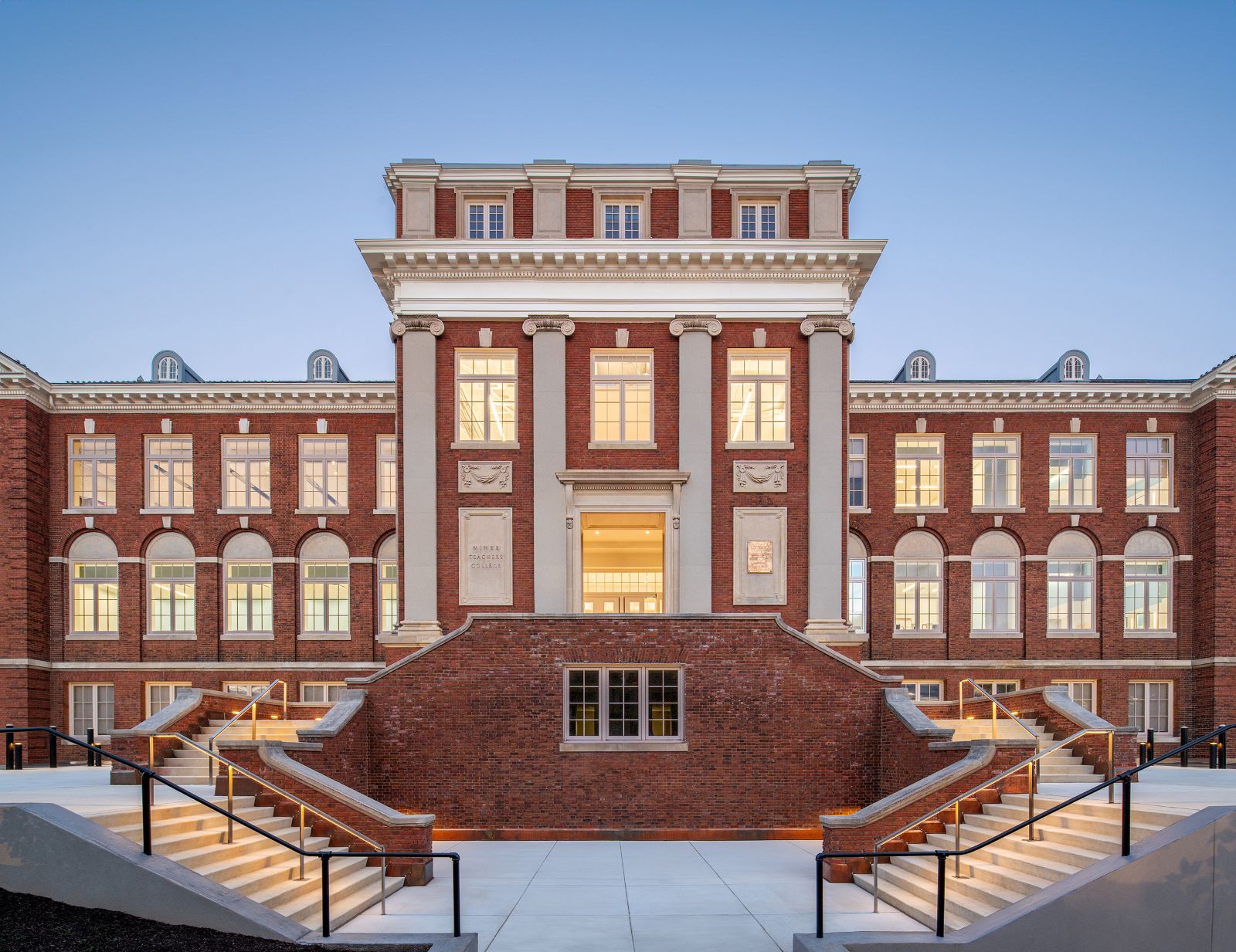
Photo Credit © Allen Russ
2026 Winner

Award of Excellence
Studio Twenty Seven Architecture
Visit Studio Twenty Seven Architecture Website
Client:
Howard University
General Contractor:
MCN Build
Additional Consultants:
Structural Engineer: Ehlert Bryan |
Project Description
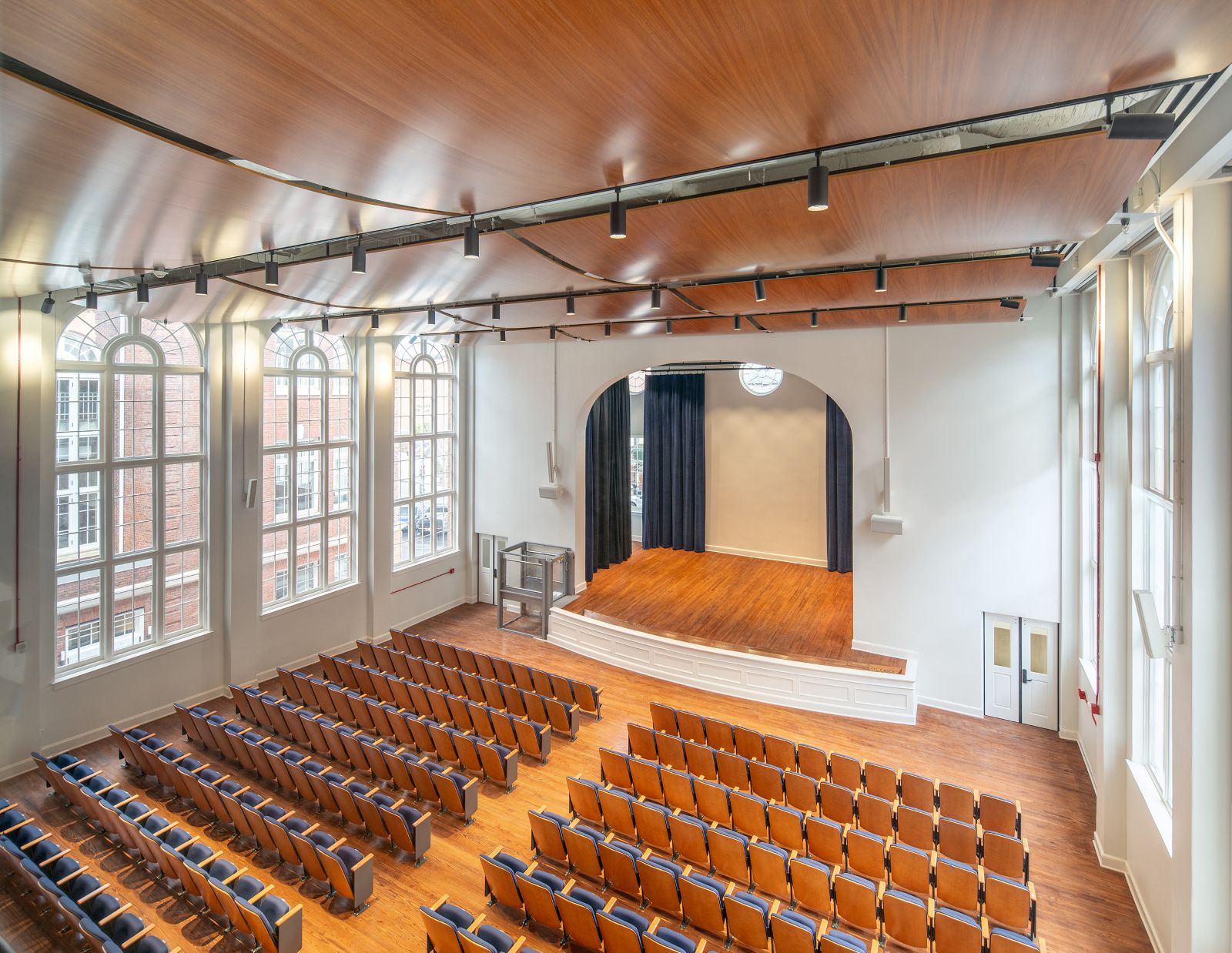
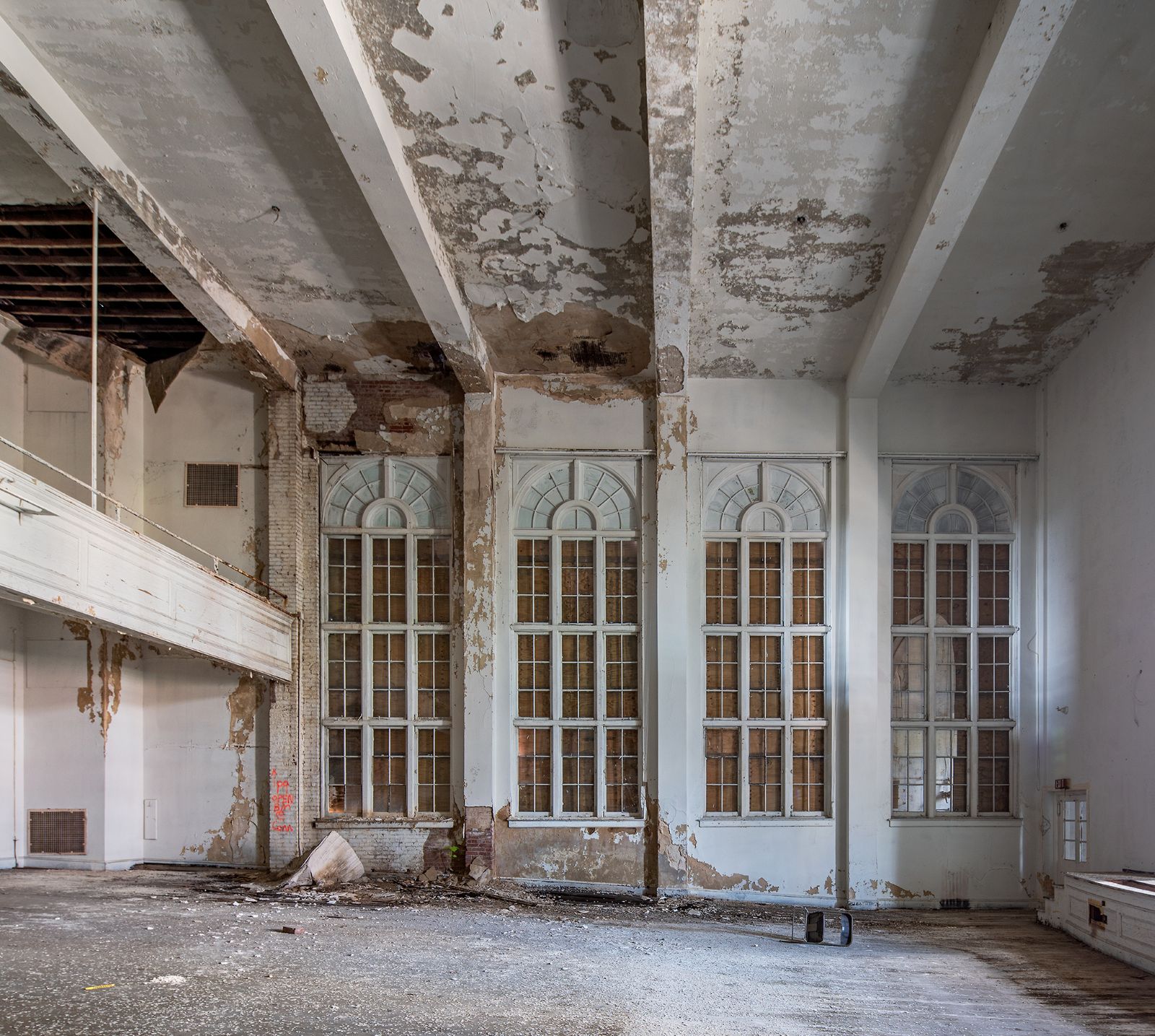
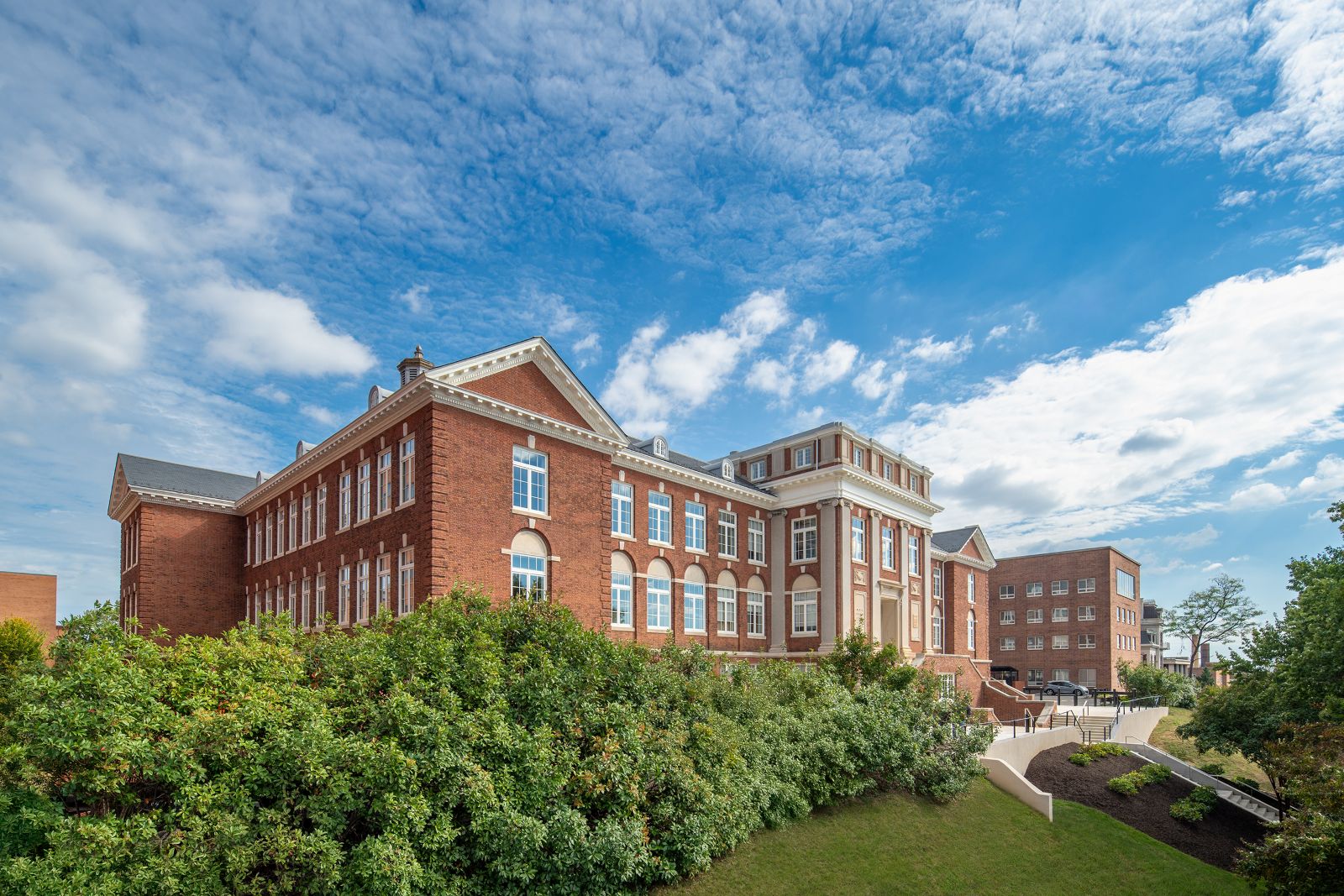
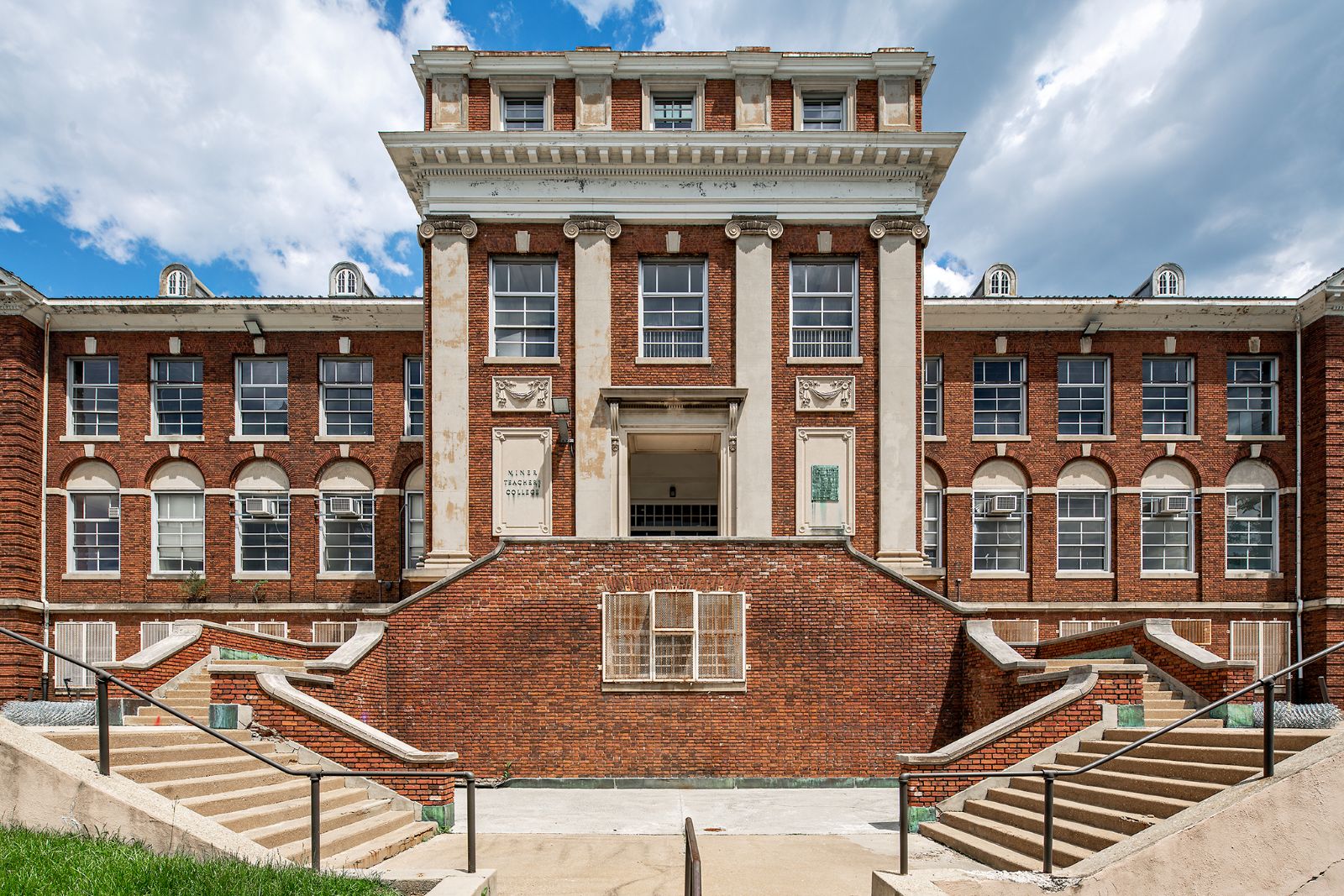
The Myrtilla Miner Building is National Historic Landmark on the campus of Howard University. The careful renovation of this historic building restores its historic integrity and showcase its landmark designation as a building contributing to the advancement of African Americans throughout history. Named for Myrtilla Miner, an educator who fought to advance the rights of African American students and teachers, the graduates of this school became the source for African American educators in local and segregated schools around the country. The building occupies a prominent location on the University’s west main campus boundary. Its massive size, lofty perch and significant architectural character mark it as a landmark structure on the Georgia Avenue corridor. The building had been vacant for decades.
Howard University is renovating the building for use by the Howard University School of Education and the university’s mathematics-focused middle school . Because the middle school operates during the day and The School of Education primarily in the evening, there was significant opportunity to share classrooms and eliminate the need for building addition. The ability to meet programming needs without a building addition provides both an economy of needs and the preservation of the building’s history.
Howard University’s original development plans for the Miner Building included a 25,000 square foot addition. Such a large addition was neither affordable to the university nor acceptable to the Historic Preservation Office, so the project stalled. The submitting architect proposed a new development plan to the university focused on “sharing classroom” space.