



Photo Credit © Paul Burk
2026 Winner

Jurors' Citation
EL Studio
Visit EL Studio Website
Design Team:
Mark Lawrence, AIA |
Elizabeth Emerson, AIA |
Sarah Beth Combs, AIA
General Contractor:
Tarpon Construction LLC
Additional Consultants:
JLC Engineering JLC |
Harrison Custom Engineering
Project Description
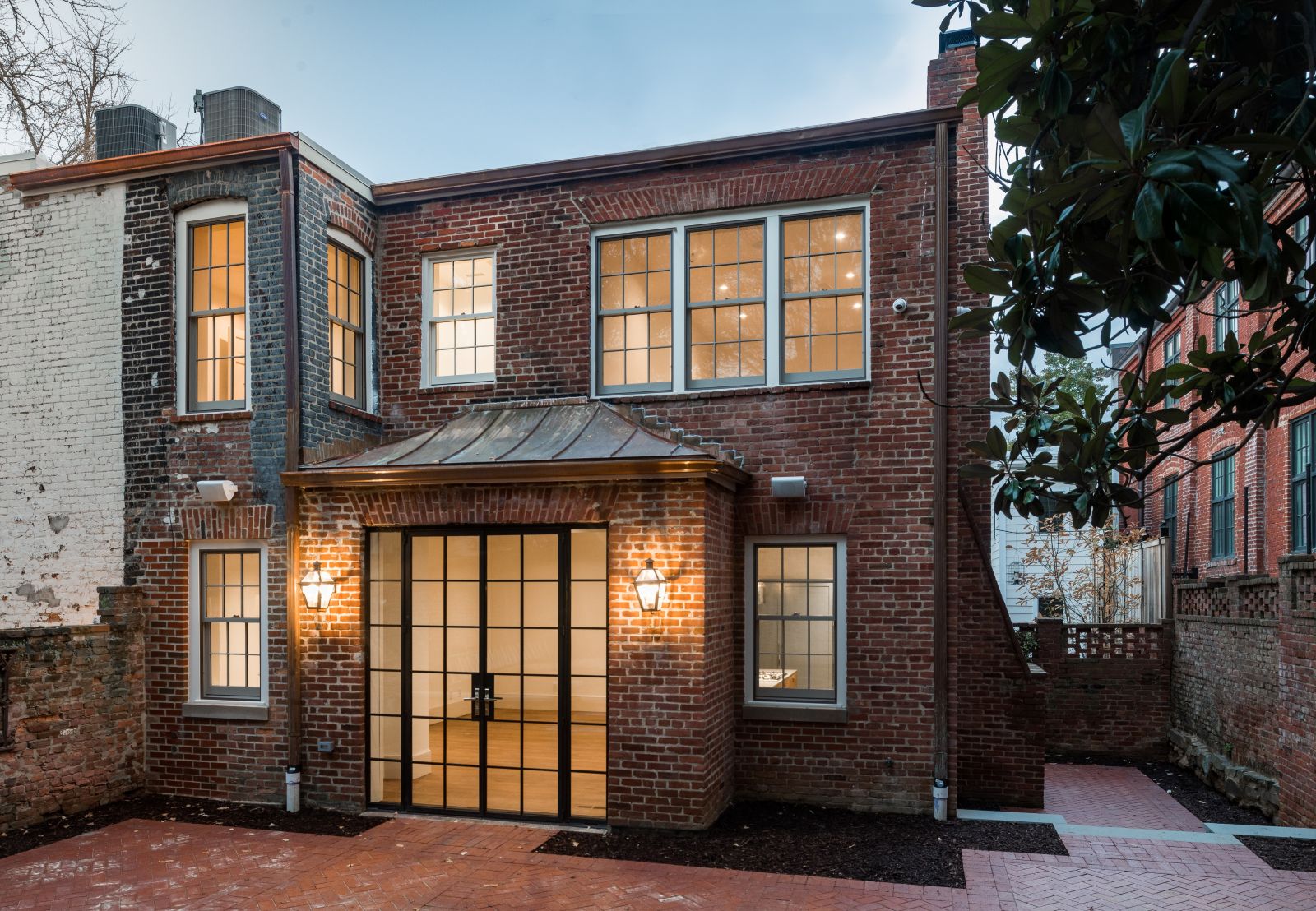
In this historic Georgetown restoration, a cohesive and resilient home emerges from the aftermath of a devastating fire. The project presented a rare condition—a blank slate within the shell of a 19th-century rowhouse—offering an opportunity to reimagine the interior while honoring the character and context that endured. Originally constructed in the 1890s in Georgetown’s Herring Hill neighborhood and expanded in the 1930s, the home’s unusually freestanding condition—less than 25% of its perimeter shares party walls—allowed light, air, and landscape to play an outsized role in shaping the design.
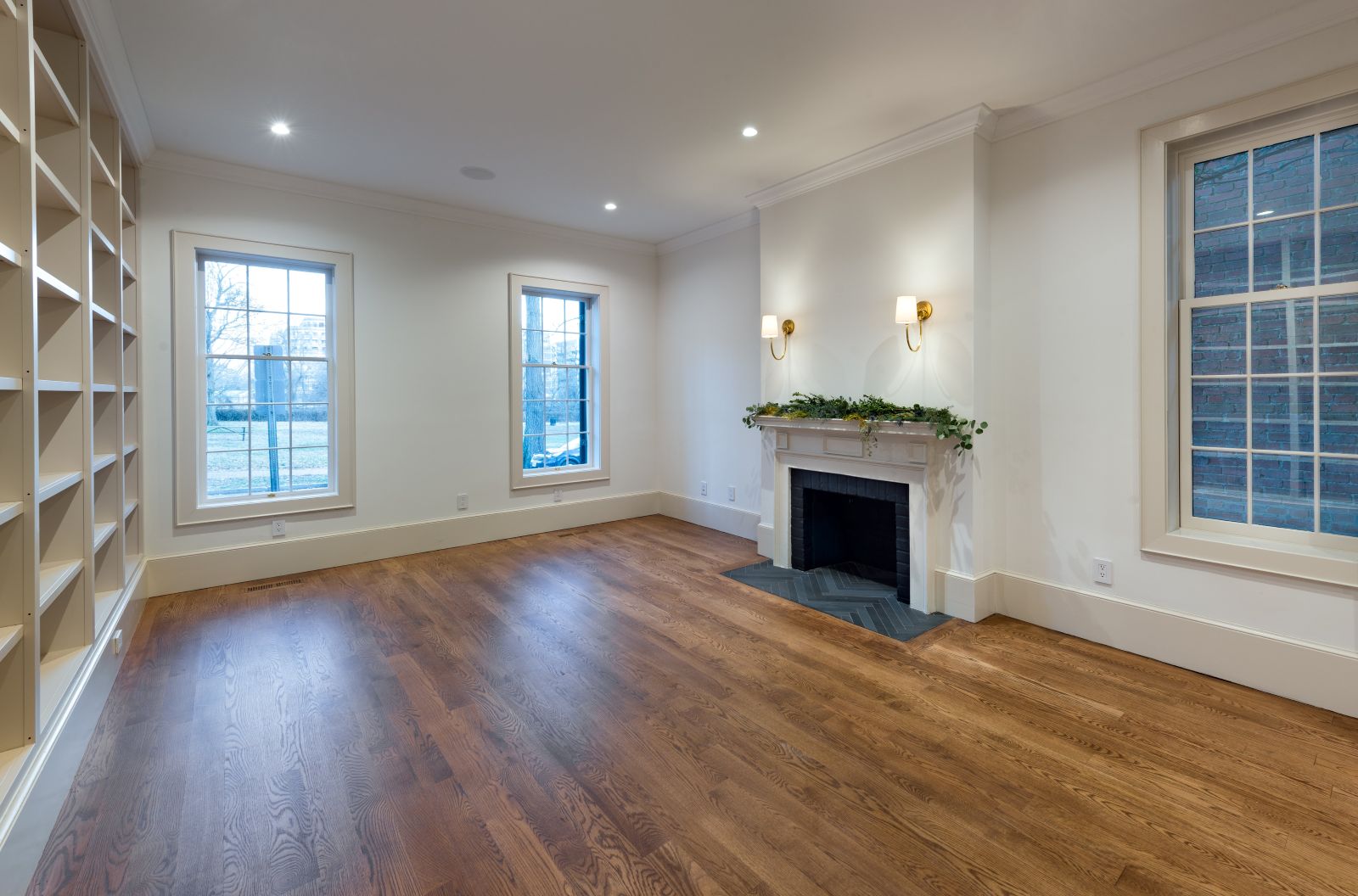
Guided by a holistic and integrated approach, the project balances preservation with transformation. Select historic elements were carefully restored or reinterpreted, while the plan was reconfigured to support a more open, contemporary mode of living. Proportion, light, and rhythm—drawn from the surrounding Georgetown fabric—served as key design drivers, particularly at the street façade, where openings were meticulously reconstructed in wood and single-pane glass in accordance with the Old Georgetown Review Board.
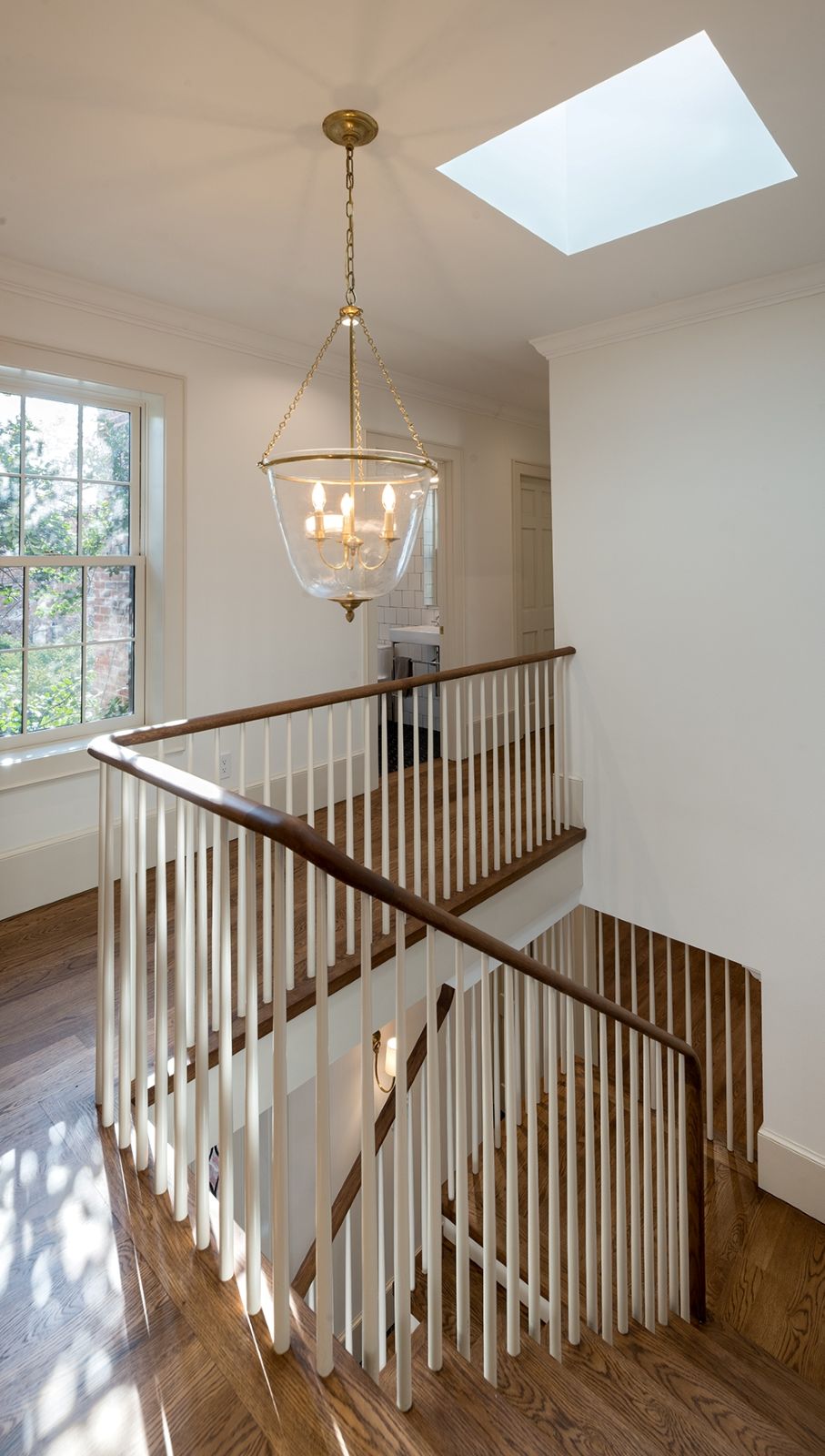
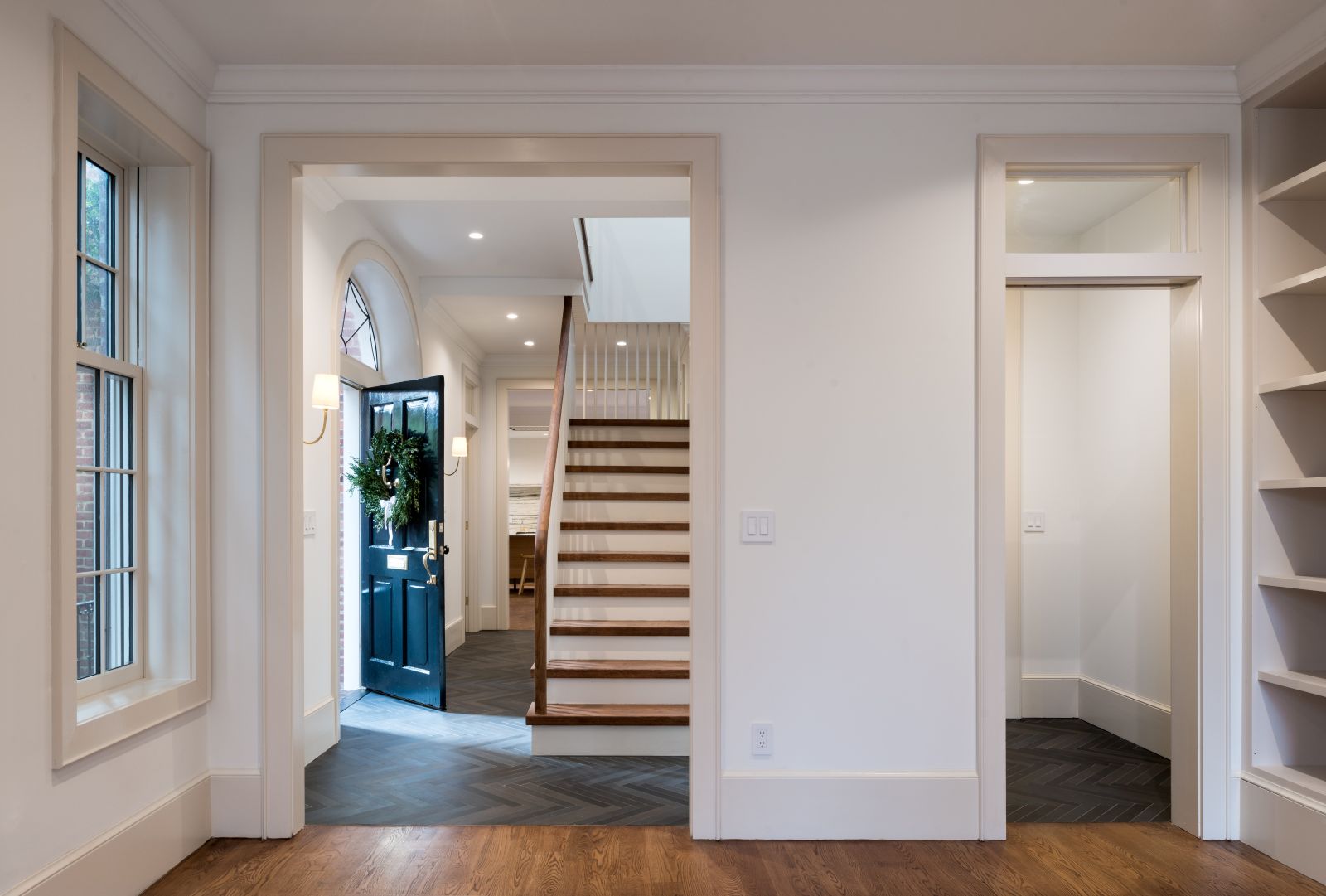
Environmental performance and occupant wellness are embedded throughout the design. Two new operable skylights, including one above the reconfigured stair, work in concert with operable transoms at the first floor to promote passive ventilation via the stack effect, drawing fresh air through the home and exhausting warm air at the roof. Increased access to daylight, air, and visual connection enhances comfort while reducing reliance on mechanical systems.
At the architectural detail level, the new stair—defined by a continuous, newel-free rail—draws from Federal and Neo-Federal precedents, bridging historical reference with contemporary execution. Material interventions are deliberate and restrained, prioritizing longevity and minimizing unnecessary resource use.
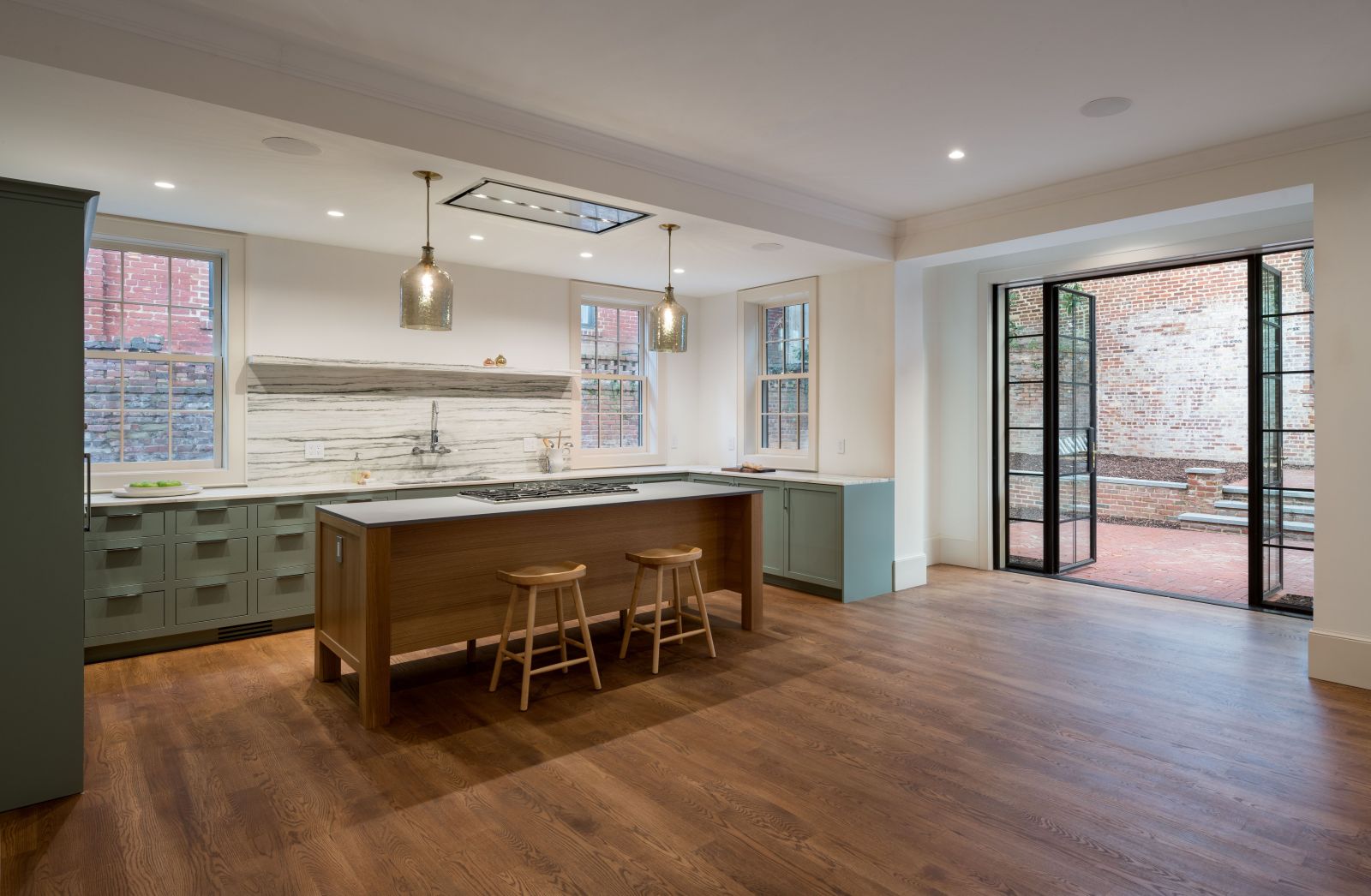
The reconfigured plan aligns the home with present-day living while anticipating future adaptability. The kitchen is relocated to the 1930s rear addition, creating a strong connection to an expanded living space and rear court. Below, the basement level is lowered to accommodate a media room and bedroom suite, increasing functional capacity within the existing footprint. Infrastructure upgrades, including a new foundation drainage system, improve resilience against stormwater and groundwater, ensuring long-term durability.
Through strategic intervention rather than excess, the project leverages its constraints to create a high-performing, light-filled, and adaptable home—one that is deeply rooted in its historic context while thoughtfully designed for the next century.